

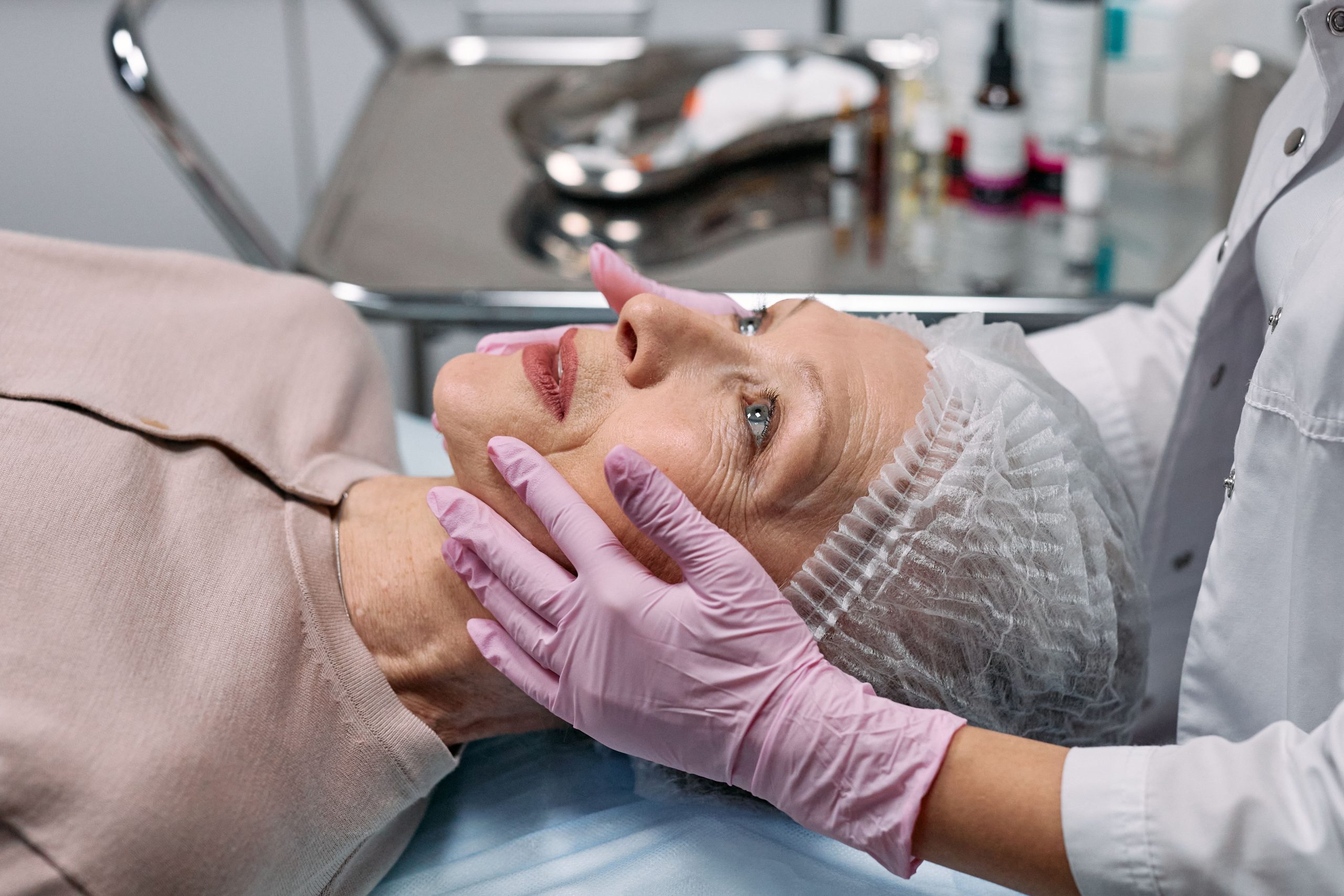
As we age, the skin and muscle around our eyes can change in ways that affect both appearance and vision. Blepharoplasty — eyelid surgery — is one of the most common procedures we perform, and it serves both cosmetic and functional purposes.
What Blepharoplasty Addresses
- Excess or sagging upper eyelid skin, which can create a "hooded" appearance and, in more advanced cases, actually droop low enough to obstruct peripheral or upper vision
- Under-eye bags caused by fat pads shifting or bulging forward with age
- Puffiness or fullness in the upper or lower eyelids
- A tired or aged appearance around the eyes that doesn't match how a patient feels
Cosmetic vs. Functional Blepharoplasty
This distinction matters, including for insurance purposes:
- Functional blepharoplasty is performed when excess eyelid skin genuinely obstructs vision, documented through visual field testing and photos. This is often at least partially covered by medical insurance.
- Cosmetic blepharoplasty is performed purely to improve appearance, without a functional vision impairment, and is typically an out-of-pocket procedure.
Many patients qualify for a combination, addressing both a real vision obstruction and cosmetic goals in the same procedure.
What the Procedure Involves
Blepharoplasty is typically performed as an outpatient procedure, removing or repositioning excess skin, muscle, and sometimes fat from the upper or lower eyelids. Recovery generally involves some swelling and bruising for one to two weeks, with most patients returning to normal activities within that window.
What It Can't Fix
Blepharoplasty addresses eyelid skin and fat, not everything around the eyes:
- It won't address crow's feet or fine lines outside the eyelid itself (Botox or fillers may be a better fit for those)
- It won't correct eyebrow position if brow drooping is the primary concern (a brow lift may be needed instead, or alongside)
- It doesn't treat dark circles caused by pigmentation rather than fat or skin volume
The Bottom Line
Blepharoplasty can meaningfully refresh the appearance of the eyes and, when medically indicated, restore obstructed vision — but the best results come from an honest evaluation of what's actually causing the specific look or symptom you're hoping to address.
Curious whether blepharoplasty is right for you? Schedule a consultation with our team.
0 Comments