
Articles & Resources

Using Your FSA or HSA for Eye Care and Eyewear
If you have a Flexible Spending Account (FSA) or Health Savings Account (HSA), there’s a good chance you’re not using it for everything it could cover in eye care. Here’s a rundown of what typically qualifies. What Are FSAs and HSAs? Both let you set aside pre-tax…
VSP Members Welcome: Appointments Available Now with Dr. Pica and Dr. Halkias
VSP members welcome! Dr. Maria Pica and Dr. Alexandria Halkias are VSP network doctors seeing patients now in St. Charles and Elgin. Call to schedule.

Teen Vision: Screen Time, Sports, and Contact Lenses
The teen years bring a unique mix of vision challenges — heavy screen use, sports involvement, and often a first request for contact lenses. Here’s what parents should know. Screen Time and Teen Eyes Teenagers frequently rack up hours of screen time between…
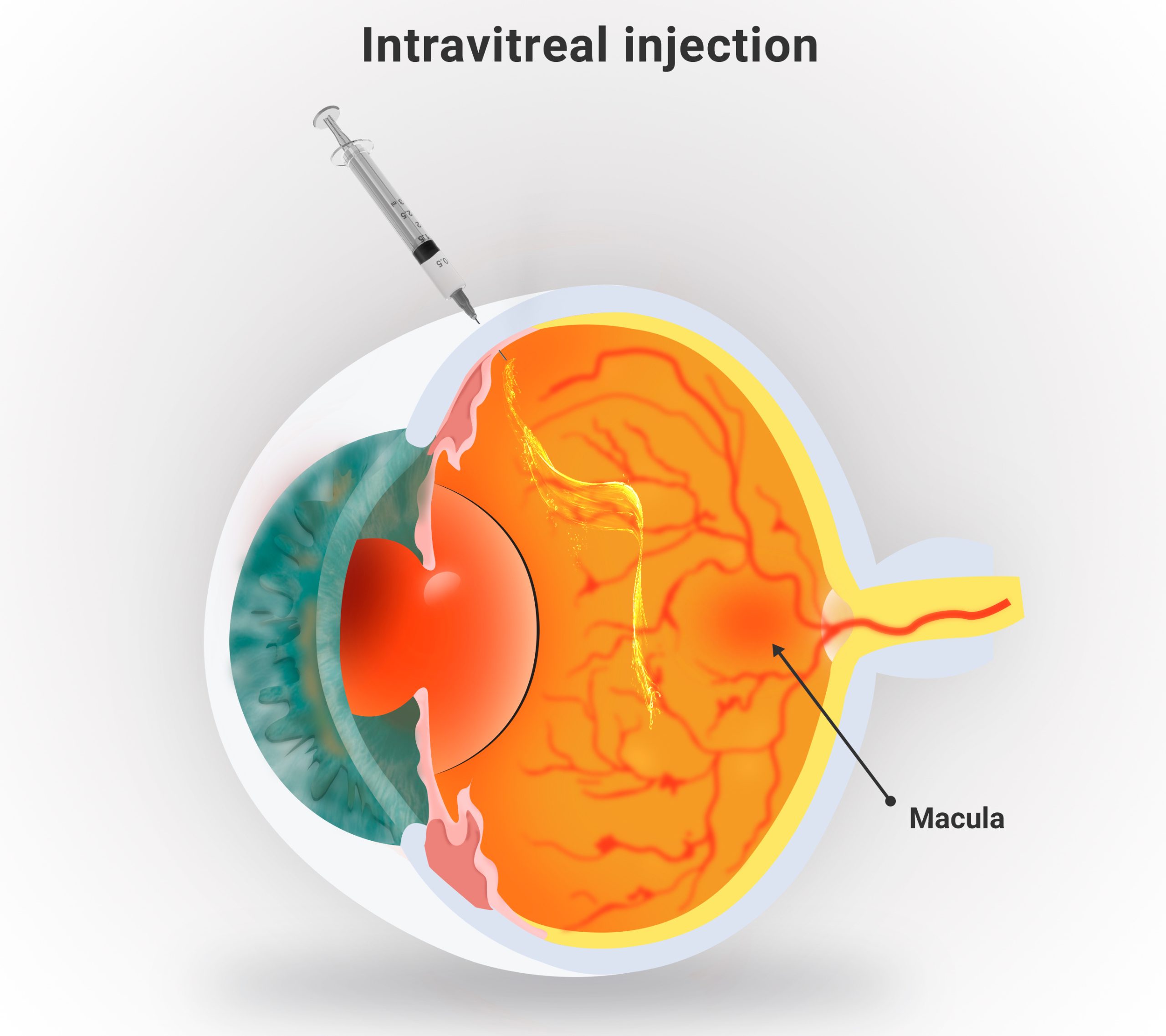
Anti-VEGF Eye Injections: Treating Wet AMD and Diabetic Eye Disease
The idea of an eye injection understandably makes a lot of patients nervous — but anti-VEGF therapy has transformed the outlook for conditions that once reliably led to severe vision loss. What Is Anti-VEGF Therapy? VEGF (vascular endothelial growth factor) is a…

Understanding Blepharitis: Chronic Eyelid Inflammation Explained
If your eyelids are frequently red, itchy, or crusty — especially first thing in the morning — you may be dealing with blepharitis, a common but often under-treated condition affecting the edges of the eyelids. What Is Blepharitis? Blepharitis is inflammation of the…

Understanding Your Insurance Card: What All Those Numbers Mean
Handing over your insurance card at check-in is routine, but the string of numbers and codes printed on it actually carries a lot of useful information — both for our team and for you. The Basics on Every Card Member ID / Policy Number: your unique identifier within…
Vision Exam or Medical Eye Exam? Why Your Insurance Treats Them Differently
Many patients are surprised to find that one eye appointment can be billed to their vision plan and another to their medical insurance. Some get a bill they didn’t expect because they assumed their “yearly eye exam” was covered. It helps to know that insurance…
Vision Screening vs. Comprehensive Eye Exam: What’s the Difference?
You’ve probably had a vision screening — at the DMV, a health fair, or a workplace wellness event. But a screening and a comprehensive eye exam aren’t the same thing, and knowing the difference matters for your eye health. What a Vision Screening Actually Checks…
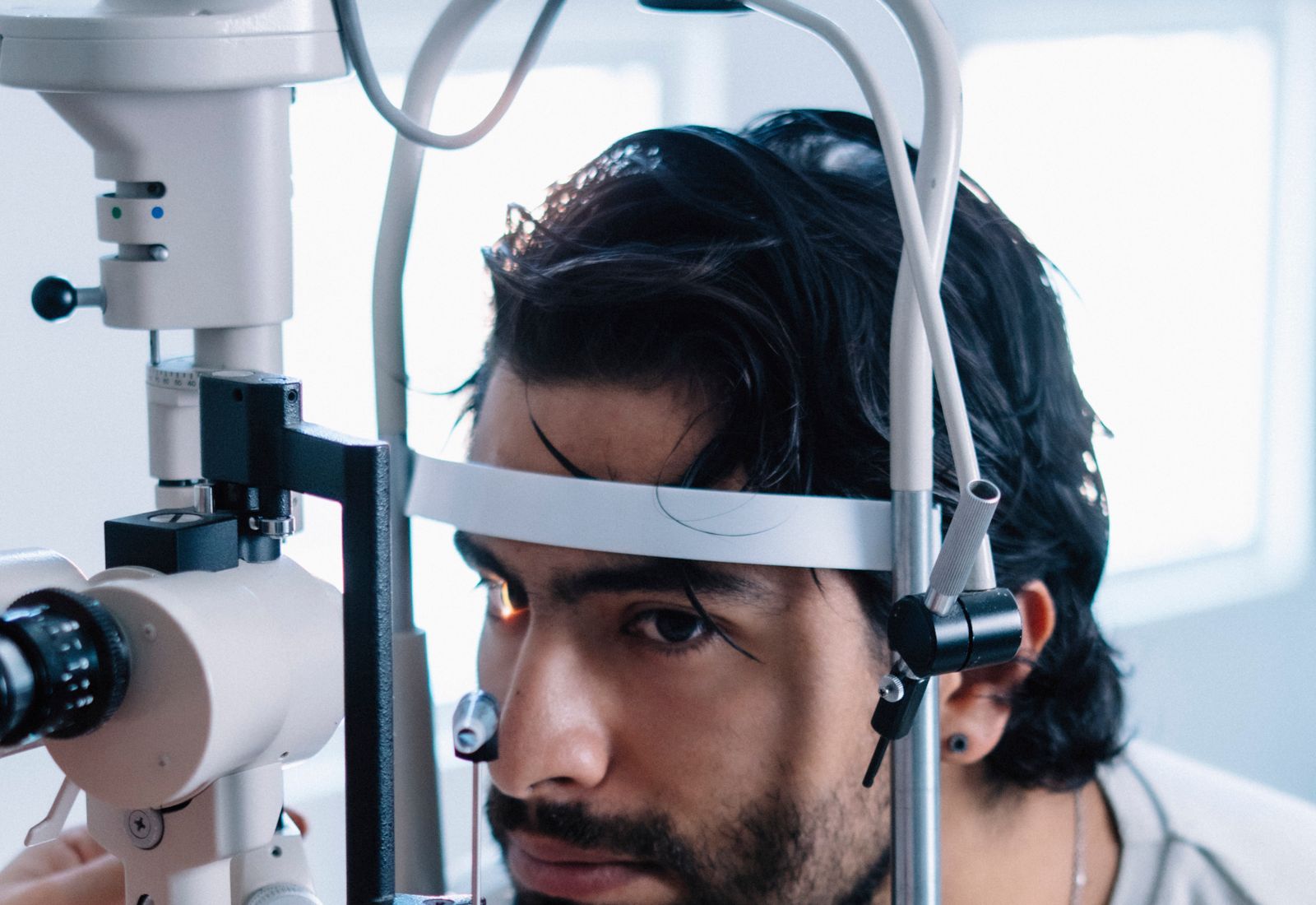
SLT Laser Treatment for Glaucoma: What to Expect
For many glaucoma patients, the path forward isn’t more eye drops — it’s a quick, in-office laser procedure that can lower eye pressure for years at a time. What Is SLT? Selective Laser Trabeculoplasty (SLT) is a laser treatment that targets the eye’s drainage system…
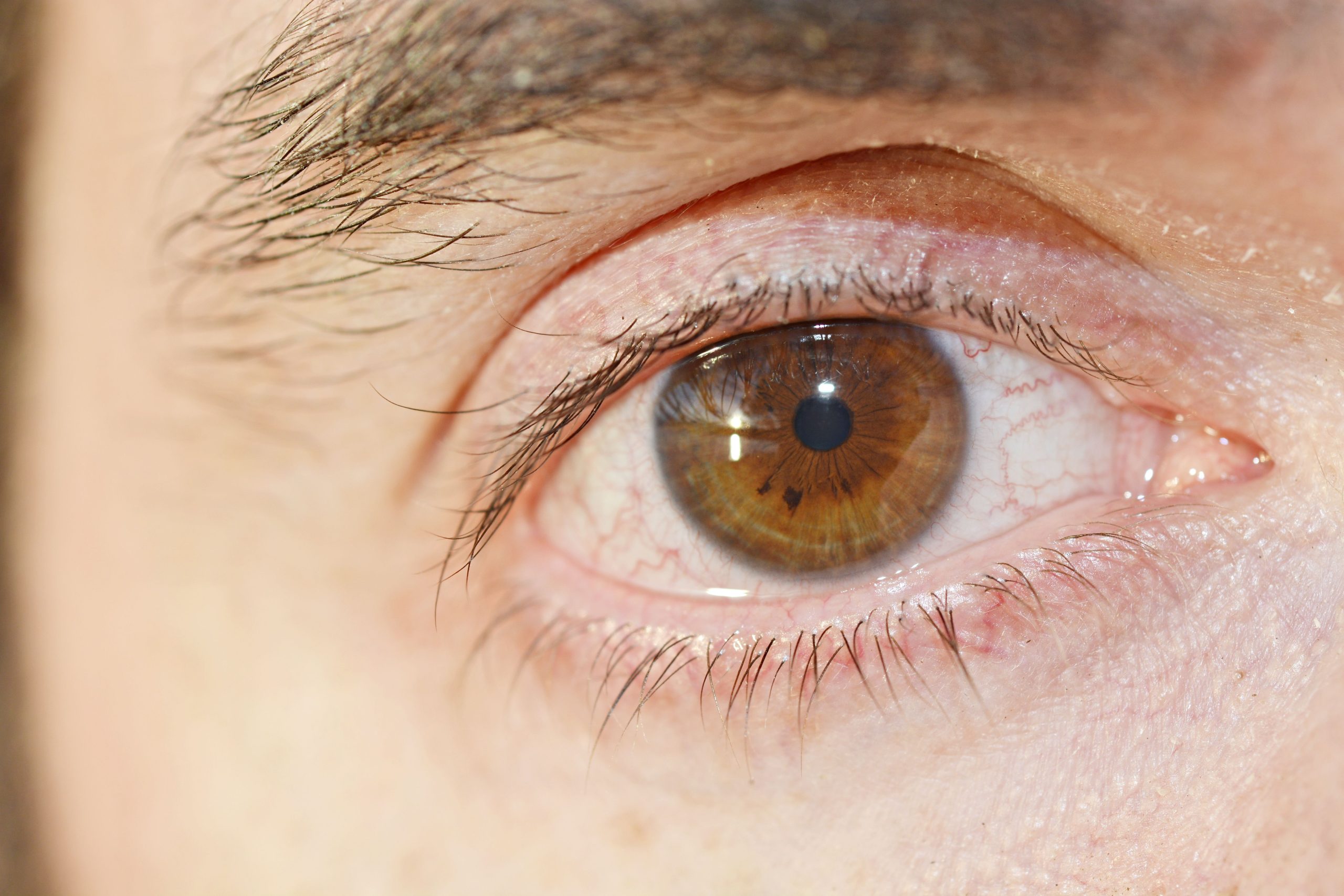
Pink Eye (Conjunctivitis): Types, Causes, and When to See a Doctor
Pink eye is one of the most common eye complaints — and one of the most misunderstood. Not all pink eye is contagious, not all of it needs antibiotics, and figuring out which type you have changes everything about how it’s treated. What Is Pink Eye? Conjunctivitis is…