

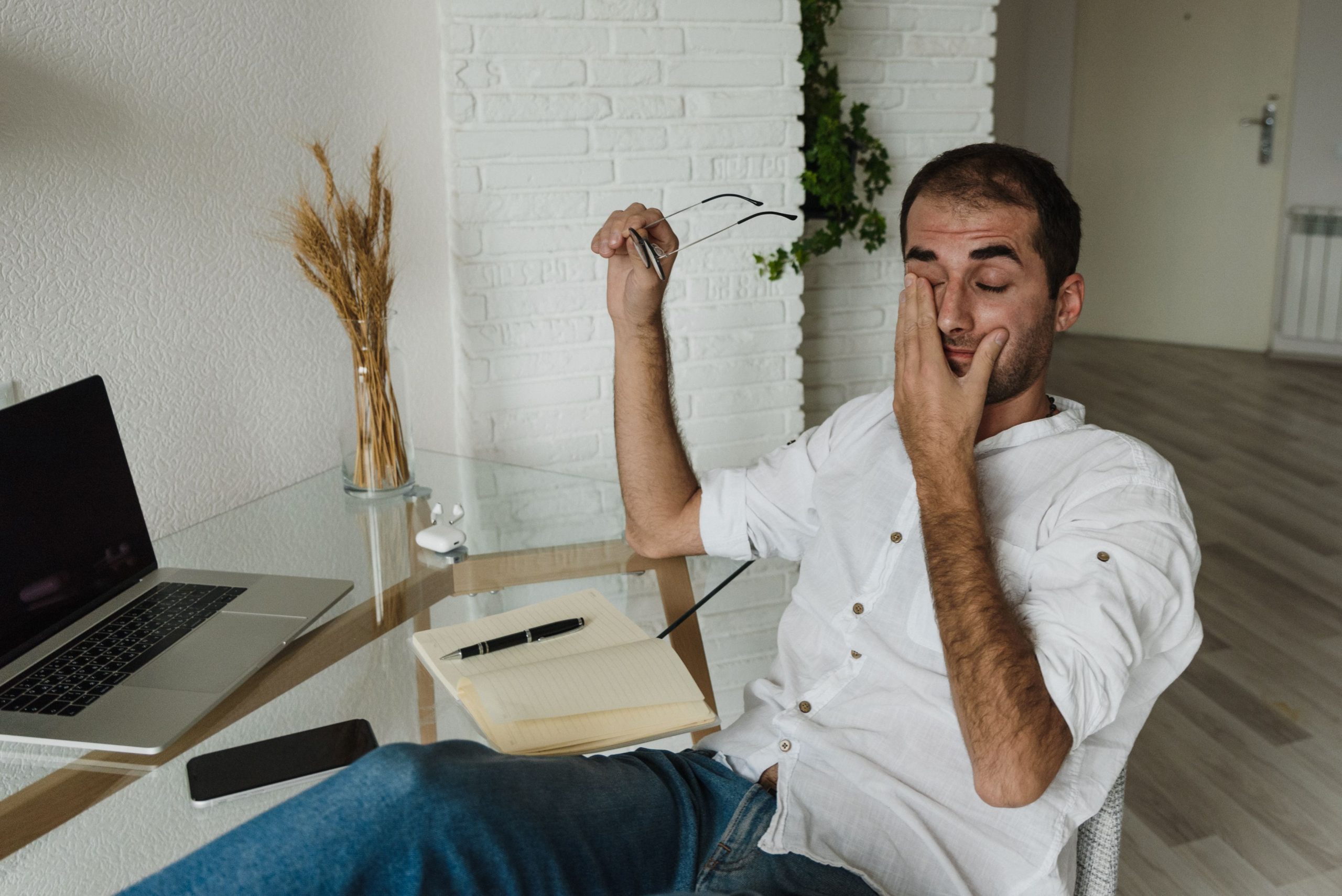
Your 20s and 30s might feel like the years your eyes need the least attention — but this is exactly when a few key habits and screenings can set the stage for decades of good vision.
Common Concerns in This Decade
- Digital eye strain — early-career years often mean heavy screen use, and the resulting dryness, fatigue, and headaches are extremely common
- Contact lens habits — many people wear contacts for years without revisiting their hygiene habits or replacement schedule
- Prescription changes — vision can still shift meaningfully in your 20s and 30s, especially with heavy near-work
- Early signs of dry eye — increasingly common at younger ages, linked to screen time, contact lens wear, and certain medications like hormonal birth control
Why Regular Exams Still Matter
It's easy to assume eye exams are mainly for kids or older adults, but conditions like glaucoma can begin developing with no symptoms even in your 30s, particularly with certain risk factors (family history, high myopia, certain medical conditions). An eye exam is also often the first place conditions like diabetes or high blood pressure get flagged, since the eyes can show early signs before a diagnosis is otherwise made.
Building Good Habits Early
- The 20-20-20 rule for screen breaks
- Proper contact lens hygiene and replacement schedules
- UV-protective sunglasses, since cumulative sun exposure adds up over decades
- Staying current on your glasses or contacts prescription rather than "making do"
Life Changes That Affect Your Eyes
- Pregnancy can cause temporary vision changes and dry eye
- New medications can have eye-related side effects worth knowing about
- New jobs, especially desk jobs or ones with specific visual demands, may call for updated eyewear
The Bottom Line
Your 20s and 30s are a great time to build the habits — and keep the checkups — that protect your vision well into the decades ahead, rather than waiting until something feels wrong.
Due for an eye exam? Schedule an appointment with our team.

0 Comments