

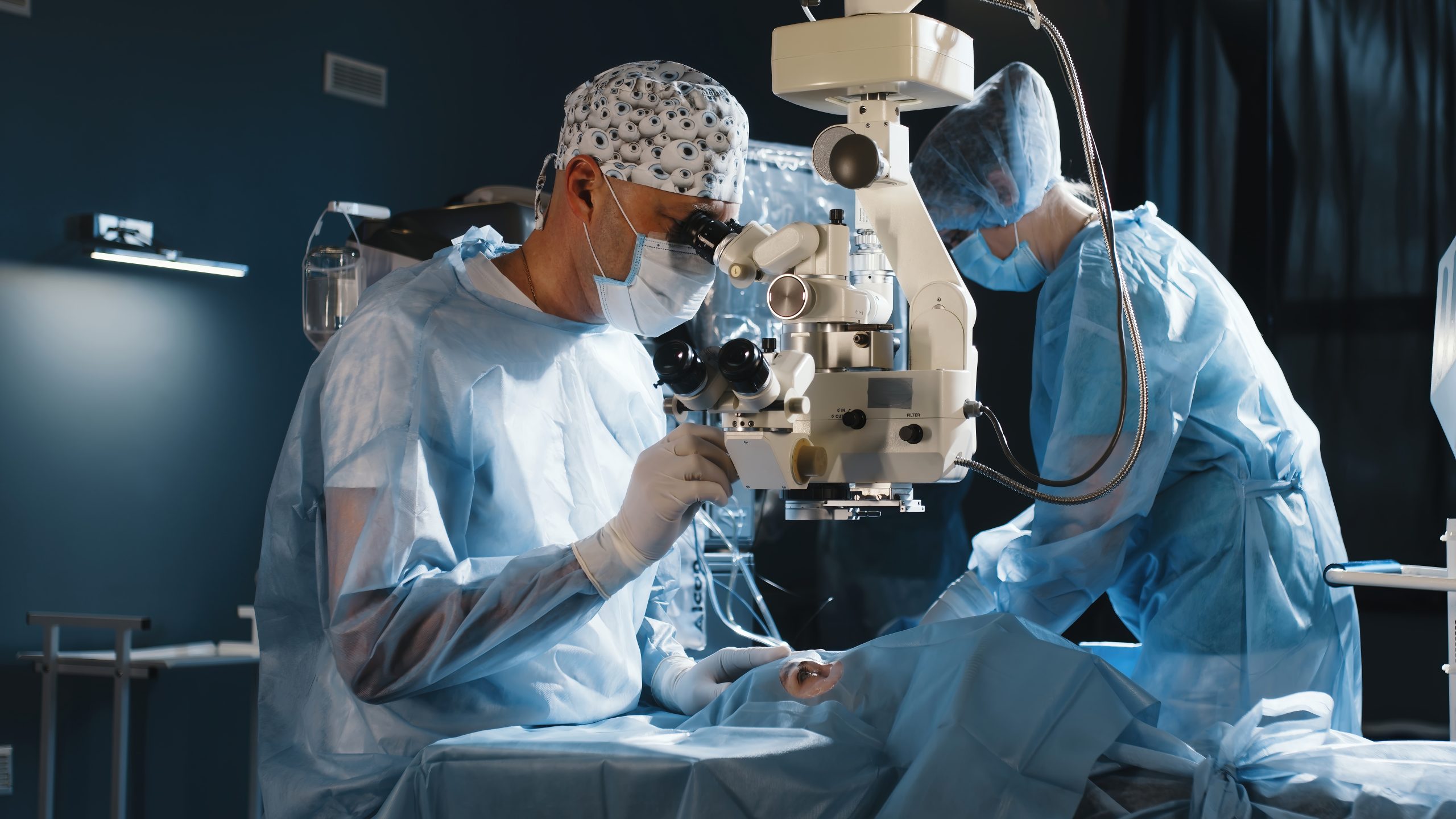
Glaucoma treatment has traditionally meant a choice between eye drops and more invasive traditional surgery. Minimally invasive glaucoma surgery (MIGS) has changed that landscape, offering a middle path with a stronger safety profile and faster recovery.
What Makes MIGS "Minimally Invasive"?
MIGS procedures use microscopic incisions and tiny devices to improve the eye's natural drainage system, lowering intraocular pressure with far less tissue disruption than traditional glaucoma surgery. Many MIGS procedures can even be combined with cataract surgery in a single visit.
Common MIGS Techniques
- Trabecular micro-bypass stents, tiny devices that create a direct channel for fluid drainage
- Goniotomy procedures, which open up the eye's natural drainage pathway
- Canaloplasty, which widens the eye's natural drainage canal
- Ab interno approaches, performed entirely from inside the eye through a small incision
Who's a Good Candidate?
MIGS is typically considered for patients with mild to moderate open-angle glaucoma, especially those already undergoing cataract surgery or those who haven't achieved adequate pressure control with drops alone. It's generally not intended to replace all medications, but can significantly reduce the number needed.
Benefits Compared to Traditional Surgery
- Smaller incisions and less tissue trauma
- Faster recovery time, often back to normal activities within days
- Lower risk profile compared to traditional trabeculectomy or tube shunt surgery
- Can often be combined with cataract surgery for a single recovery period
The Bottom Line
MIGS has opened up meaningful new options for glaucoma patients who need more than drops but don't yet need traditional surgery. Whether it's right for you depends on your specific type and stage of glaucoma.
Managing glaucoma and curious about MIGS? Schedule a consultation with our team.


0 Comments