

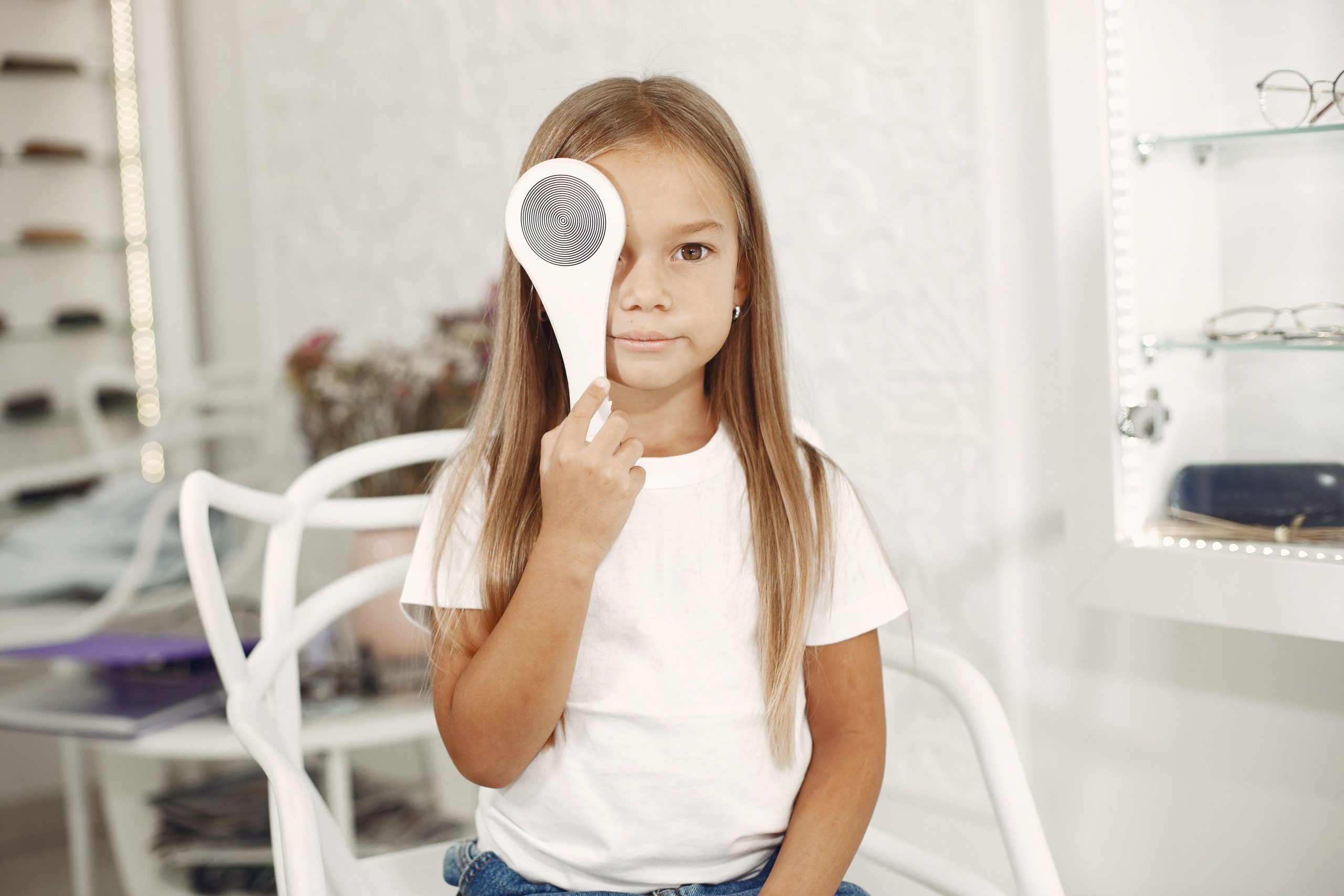
"Lazy eye" is a common phrase, but the actual condition — amblyopia — is often misunderstood. It's not about a weak eye muscle; it's about the brain and one eye not developing a strong connection during childhood, and timing is everything when it comes to treatment.
What Amblyopia Actually Is
Amblyopia develops when the brain favors one eye over the other during early childhood, causing vision in the weaker eye to develop abnormally. Over time, the brain essentially "tunes out" input from that eye, even though the eye itself may look completely normal.
Common Causes
- Refractive amblyopia: a significant difference in prescription between the two eyes
- Strabismus: misaligned eyes, where the brain suppresses input from the misaligned eye to avoid double vision
- Deprivation amblyopia: something physically blocking vision in one eye during early development, such as a cataract or drooping eyelid
Why Early Detection Is So Critical
The visual system develops rapidly in early childhood and becomes far less adaptable after roughly age 7-9. Amblyopia treated early has an excellent chance of full or near-full recovery; treated late, it may be permanent. This is precisely why pediatric vision screenings exist — a child can have amblyopia with no obvious outward signs.
How It's Treated
- Corrective glasses, addressing any underlying refractive error
- Patching therapy, covering the stronger eye to force the brain to use the weaker one
- Atropine eye drops, temporarily blurring vision in the stronger eye as an alternative to patching
- Treating the underlying cause, such as surgery for strabismus or cataract removal
The Bottom Line
Amblyopia is highly treatable, but the window for the best outcomes is in early childhood. If your child hasn't had a comprehensive eye exam, don't wait for a school screening to catch it.
Want to make sure your child's vision is developing normally? Schedule a pediatric eye exam with our team.


0 Comments