Articles & Resources

MIGS Explained: Minimally Invasive Glaucoma Surgery Options
Glaucoma treatment has traditionally meant a choice between eye drops and more invasive traditional surgery. Minimally invasive glaucoma surgery (MIGS) has changed that landscape, offering a middle path with a stronger safety profile and faster recovery. What Makes…

Understanding Your EOB (Explanation of Benefits) After an Eye Procedure
If you’ve had an eye exam, procedure, or surgery and then received a document in the mail titled “Explanation of Benefits” (EOB), you’re not alone in finding it confusing. Here’s what an EOB actually is — and what it isn’t. What an EOB Is An EOB is a summary your…

Presbyopia After 40: Why Reading Glasses Suddenly Become Necessary
If you’ve noticed yourself holding menus at arm’s length or squinting at your phone somewhere in your 40s, you’re experiencing presbyopia — one of the most universal age-related changes in vision. What Is Presbyopia? Presbyopia is the gradual loss of your eye’s…
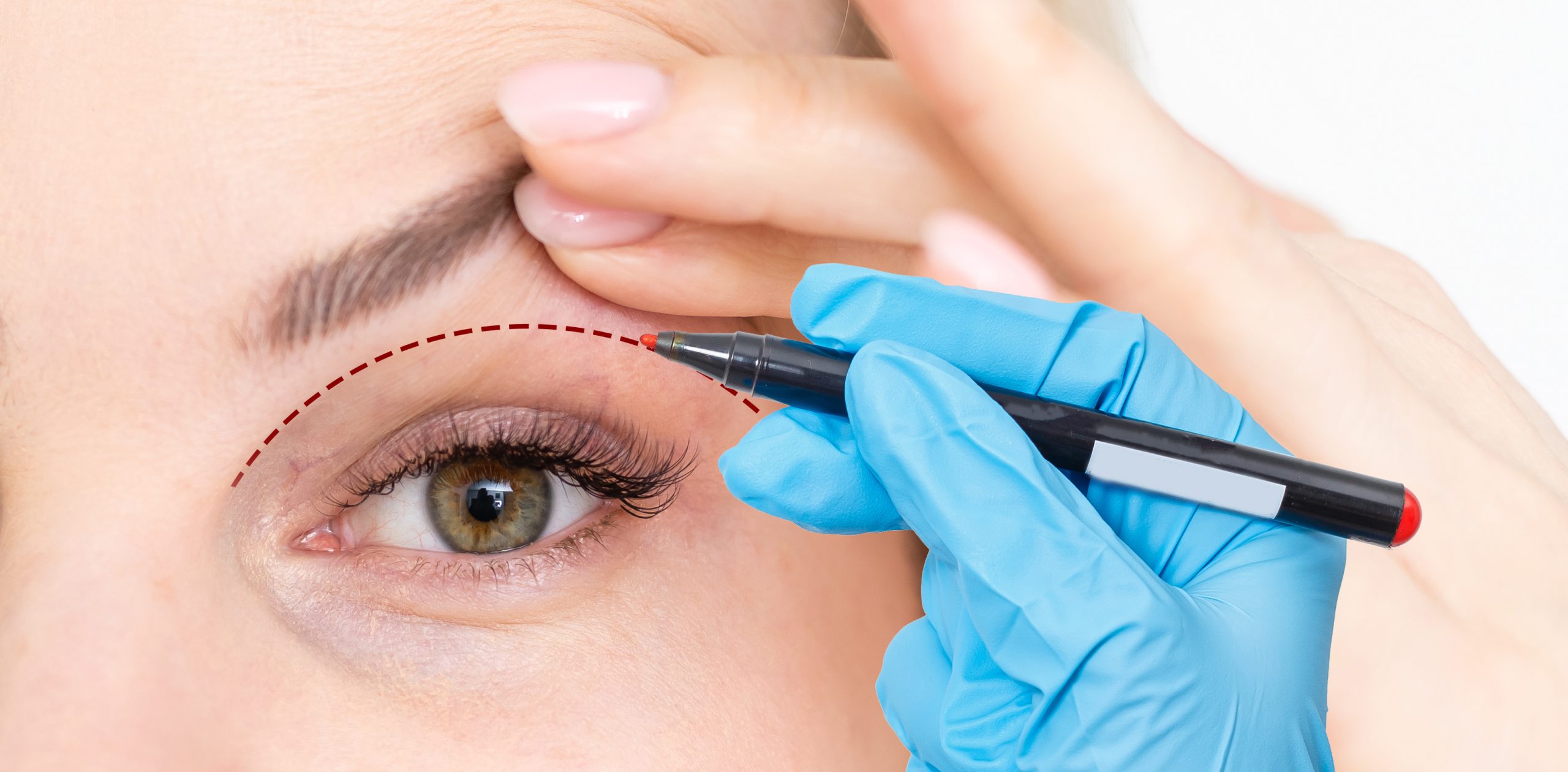
Ptosis Repair Surgery: Restoring Function and Appearance
Ptosis (drooping of the upper eyelid) is more than a cosmetic concern — when it’s significant enough, it can interfere with your field of vision. Ptosis repair surgery is a well-established procedure that addresses both the functional and appearance-related sides of…
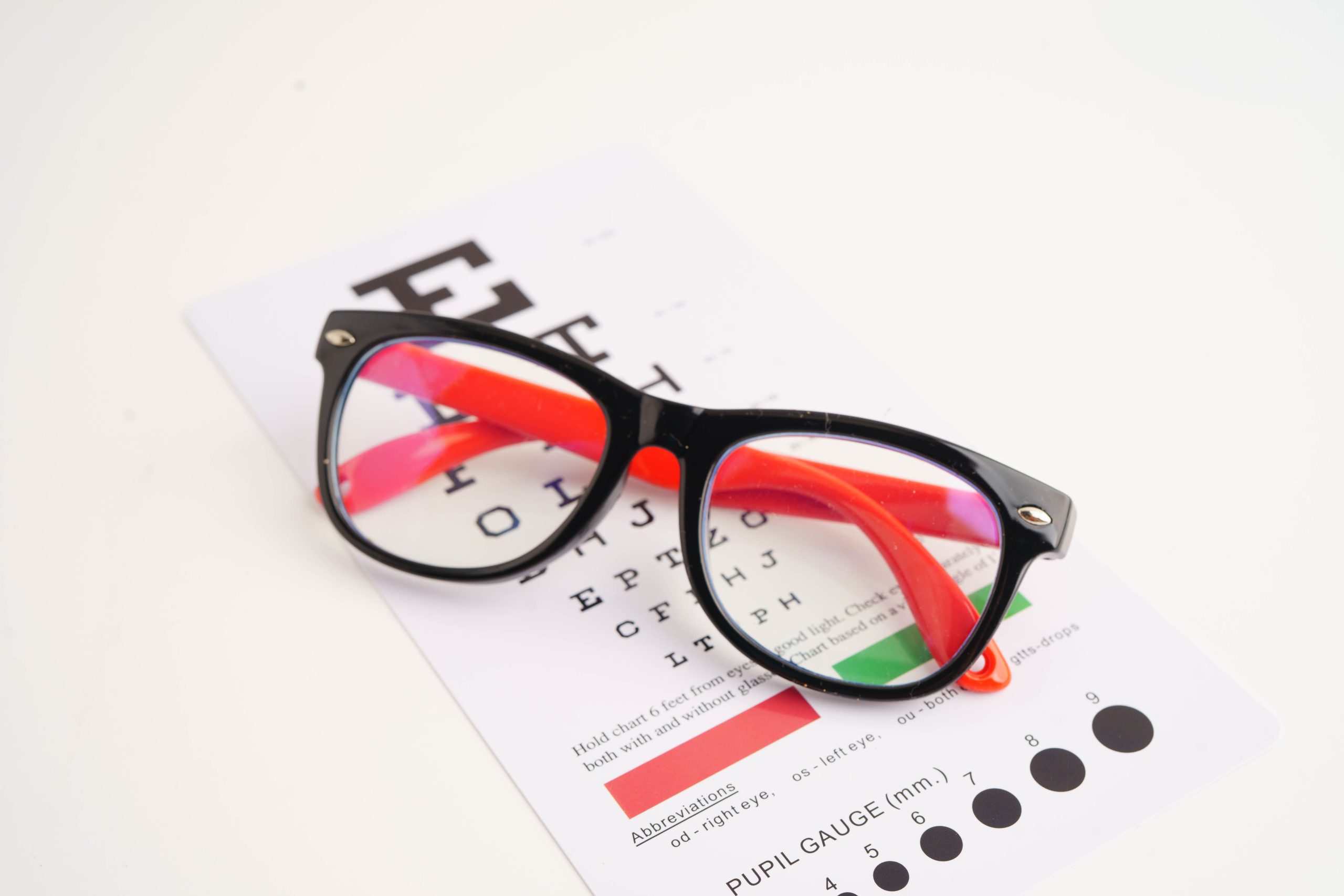
Nearsightedness vs. Farsightedness: Understanding Refractive Errors
Nearsightedness and farsightedness are the two most common reasons people end up in glasses or contacts. They sound like opposites — and in a sense they are — but understanding the difference helps make sense of your own prescription. What Is Nearsightedness (Myopia)?…

How to Prepare for Your First Visit to Fox Valley Ophthalmology
A little preparation can make your first visit smoother, faster, and more productive. Here’s what to bring and know before you come in. What to Bring Photo ID and insurance card(s) — both vision and medical, if you have them A list of current medications, including…

Eye Health in Your 20s and 30s: What to Watch For
Your 20s and 30s might feel like the years your eyes need the least attention — but this is exactly when a few key habits and screenings can set the stage for decades of good vision. Common Concerns in This Decade Digital eye strain — early-career years often mean…
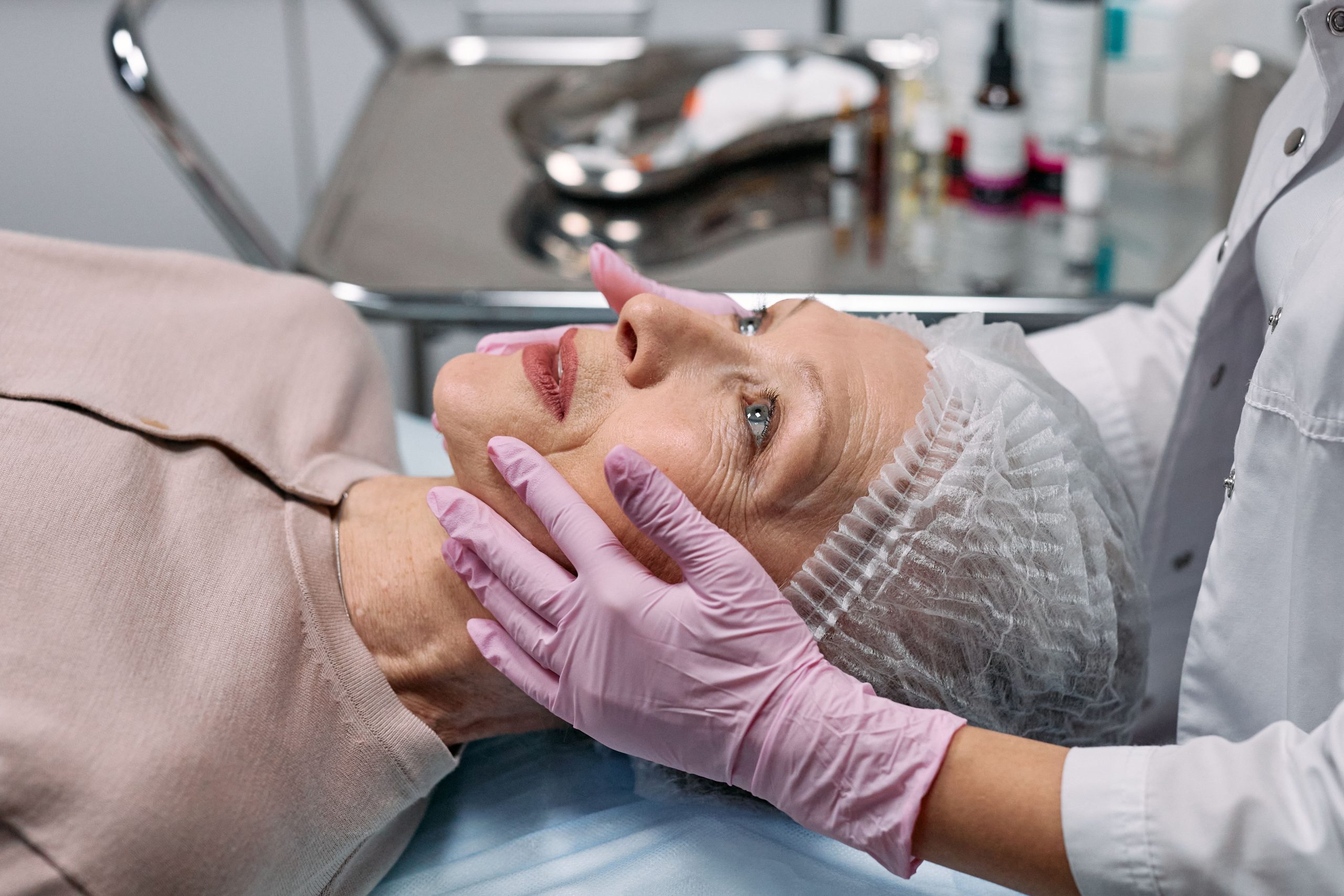
Blepharoplasty: What Eyelid Surgery Can (and Can’t) Fix
As we age, the skin and muscle around our eyes can change in ways that affect both appearance and vision. Blepharoplasty — eyelid surgery — is one of the most common procedures we perform, and it serves both cosmetic and functional purposes. What Blepharoplasty…

Astigmatism 101: What It Is and How It’s Corrected
Astigmatism is one of the most common refractive errors, and one of the most misunderstood. It’s not an eye disease, and it doesn’t mean your vision is “worse” than average — it just means your eye is shaped a little differently. What Causes Astigmatism? Most…

Using Your FSA or HSA for Eye Care and Eyewear
If you have a Flexible Spending Account (FSA) or Health Savings Account (HSA), there’s a good chance you’re not using it for everything it could cover in eye care. Here’s a rundown of what typically qualifies. What Are FSAs and HSAs? Both let you set aside pre-tax…