


Childhood myopia (nearsightedness) is becoming more common, and it's not just about needing stronger glasses each year. Higher levels of myopia in adulthood are linked to increased lifetime risk of serious eye conditions like retinal detachment, glaucoma, and myopic macular degeneration. That's why "myopia control" — slowing the progression of nearsightedness in children — has become a growing focus in pediatric eye care.
It's Not Just About Correction Anymore
Traditional glasses and contacts correct blurry distance vision but don't do anything to slow the underlying progression of myopia. Myopia control treatments are specifically designed to slow how quickly a child's eyes continue to grow more nearsighted over time.
Current Treatment Options
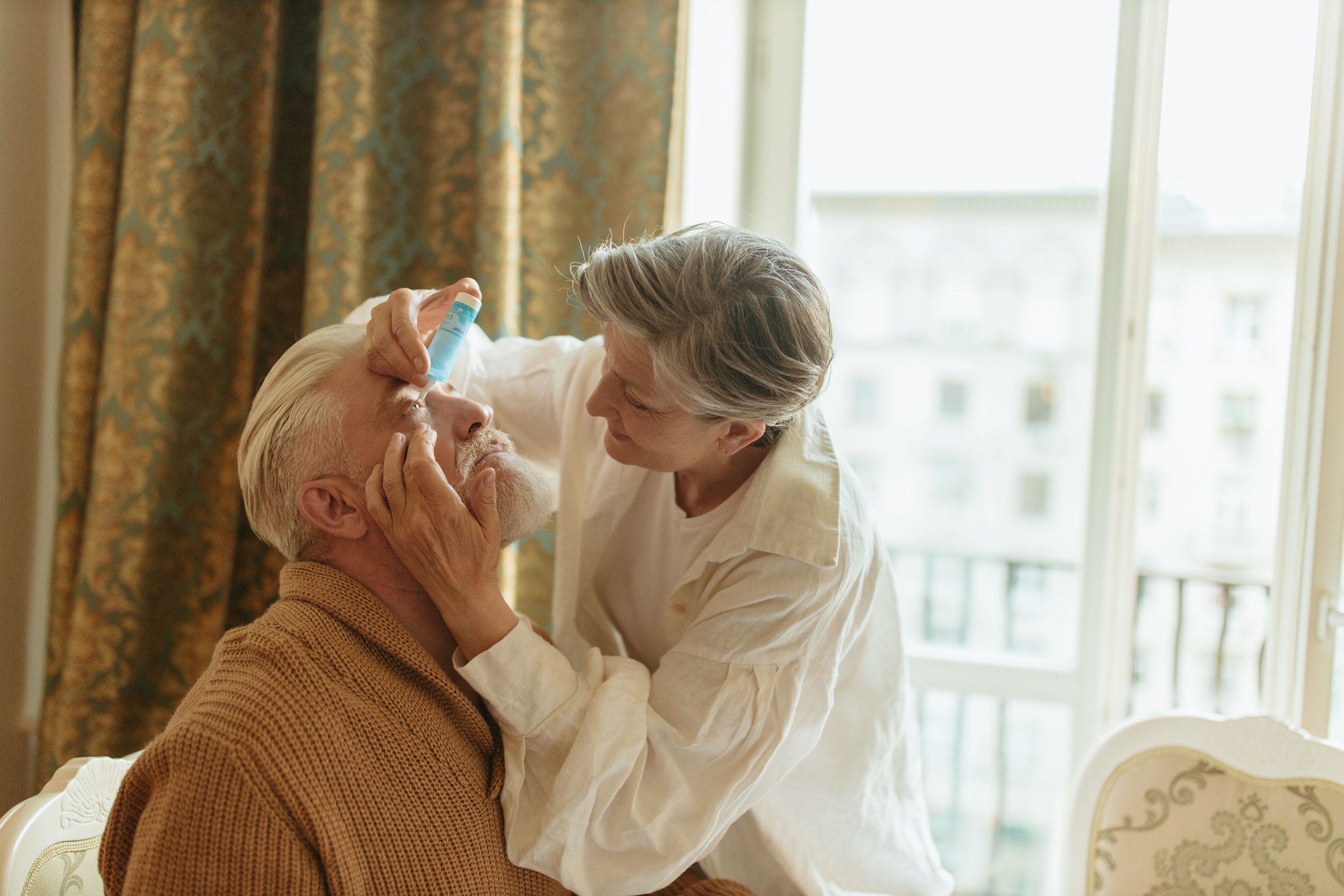
Low-dose atropine eye drops: Typically used nightly at low concentrations, these drops have shown effectiveness in slowing myopia progression, though they don't correct vision on their own — children still wear regular glasses during the day.
Orthokeratology (ortho-K): Custom-fitted contact lenses worn overnight temporarily reshape the cornea, allowing clear vision during the day without glasses or contacts, while also helping to slow eye growth.
MiSight contact lenses: A daily disposable soft contact lens specifically designed and approved for myopia control in children, typically ages 8-12.
Stellest and similar spectacle lenses: Specialized eyeglass lenses designed to correct vision and help slow myopia progression in a single pair of glasses — a newer option that's gained FDA authorization.
Combination approaches: Emerging research suggests combining treatments (for example, atropine with a specialty lens) may offer additional benefit for children with faster-progressing myopia, though this is determined on a case-by-case basis.
When to Start
Earlier intervention generally allows more opportunity to slow progression before it becomes significant. Regular monitoring — typically every 6 to 12 months — helps track how well a treatment is working and whether adjustments are needed.
Finding the Right Fit for Your Child
There's no single best option for every child. The right approach depends on your child's age, prescription, lifestyle, and how comfortable they are with contact lenses versus glasses.
Concerned about your child's nearsightedness? Schedule a myopia evaluation to discuss which options make sense.
0 Comments