


Glaucoma is one of the leading causes of irreversible blindness worldwide, and one of the trickiest to catch early. That's because in its most common form, it causes no pain and no noticeable vision changes until significant, permanent damage has already occurred.
What Is Glaucoma?
Glaucoma refers to a group of eye conditions that damage the optic nerve, usually due to elevated pressure inside the eye (intraocular pressure). The optic nerve carries visual information from the eye to the brain, and once its fibers are damaged, that vision loss cannot be reversed.
Common Types
Open-angle glaucoma is the most common form. It develops slowly, often with no symptoms, as the eye's drainage angle gradually becomes less efficient.
Angle-closure glaucoma is less common but can occur suddenly, causing eye pain, headache, blurred vision, halos around lights, nausea, and vision loss. This is a medical emergency requiring immediate care.
Who's at Risk?
Risk factors include age (especially over 60), family history of glaucoma, elevated eye pressure, thinner corneas, certain medical conditions like diabetes, and in some cases, prolonged steroid use. Because early glaucoma has no symptoms, these risk factors are the best clues for who should be screened regularly.
Why Regular Eye Exams Matter
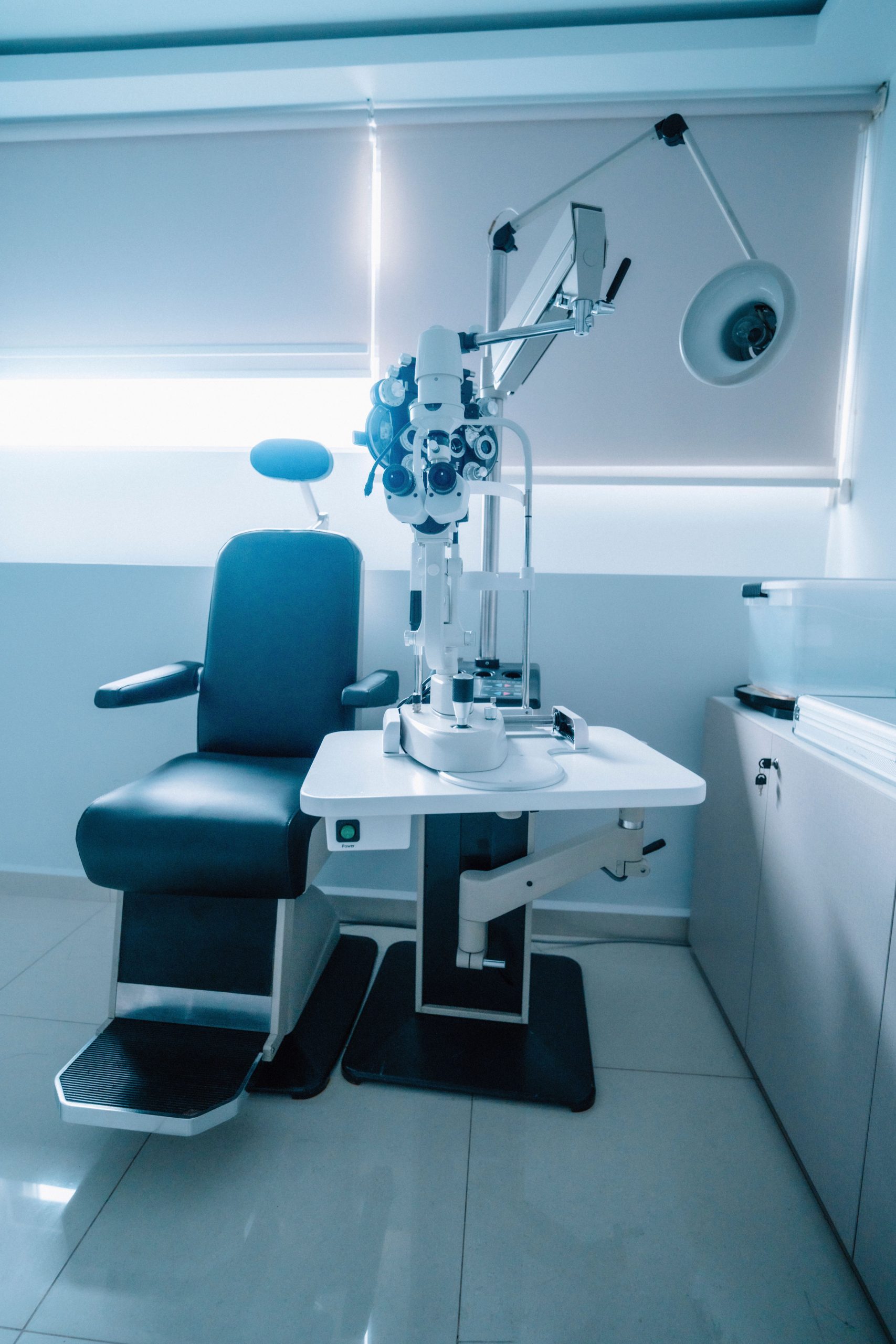
Since glaucoma typically has no warning signs in its early stages, a comprehensive dilated eye exam is the only reliable way to detect it before vision loss begins. Your exam may include measuring eye pressure, examining the optic nerve, testing peripheral vision, and imaging the retina.
Treatment Options
While there's currently no cure for glaucoma, treatment can effectively slow or halt its progression when caught early. Options include:
- Prescription eye drops to lower eye pressure
- Laser treatments (such as SLT)
- Minimally invasive glaucoma surgery (MIGS)
- Traditional surgical procedures for advanced cases
The right approach depends on the type and severity of glaucoma, as well as your overall eye health.
The Bottom Line
Glaucoma can't be prevented, but vision loss from it often can be, with early detection and consistent monitoring. If it's been a while since your last comprehensive eye exam, or if you have risk factors for glaucoma, now is a good time to schedule one.
Schedule a comprehensive eye exam with our team to check your eye pressure and optic nerve health.


0 Comments