

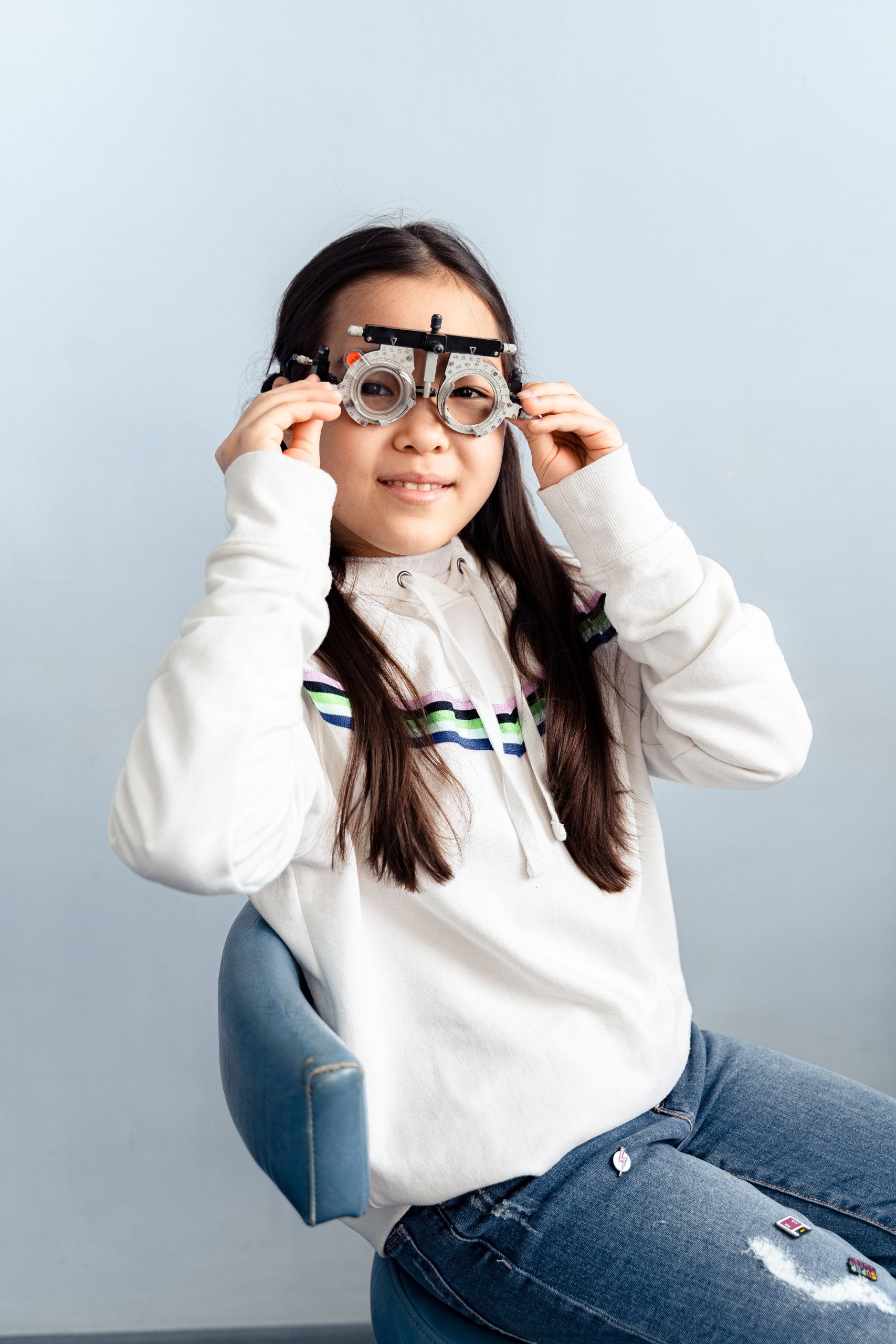
Every year, millions of kids get a quick vision check at school. It's a helpful first pass — but it's not designed to catch everything, and understanding the difference can save a child from struggling silently in the classroom.
What a Typical School Screening Involves
Most school vision screenings are brief and focused on one thing: distance visual acuity. A child reads letters or symbols off a chart (often a Snellen chart) from about 20 feet away, one eye at a time. It takes just a couple of minutes and is usually performed by a school nurse or trained staff member, not an eye doctor.
What It Catches
School screenings are genuinely useful for identifying kids who are significantly nearsighted — meaning things far away (like the whiteboard) look blurry. This is one of the more common and visible vision issues in school-age children, so screenings do catch a real number of cases.
What It Misses
Because school screenings only test distance vision, they routinely miss:
- Farsightedness — a child can see the board just fine but struggle intensely with reading, often mistaken for an attention or learning issue
- Astigmatism — causes blurry or distorted vision at any distance
- Eye teaming and focusing problems — the eyes may each see clearly on their own but struggle to work together
- Color vision deficiencies
- Eye health conditions unrelated to how clearly a child can read a chart
A child can pass a school screening with flying colors and still have a vision problem significant enough to affect their reading, focus, and school performance.
Why This Matters for Learning
An estimated large share of classroom learning is visual. When a child has an undetected vision problem, it can look a lot like inattention, reading difficulty, or reluctance to do close work — when the real issue is that their eyes simply aren't working the way they need to.
The Bottom Line
School screenings are a helpful safety net, not a comprehensive check. If your child hasn't had a full eye exam recently — even if they've "passed" every school screening — it's worth scheduling one, especially if you've noticed squinting, headaches, avoidance of reading, or sitting close to screens.
Wondering if your child needs more than a school screening? Schedule a comprehensive eye exam with our team.

0 Comments