

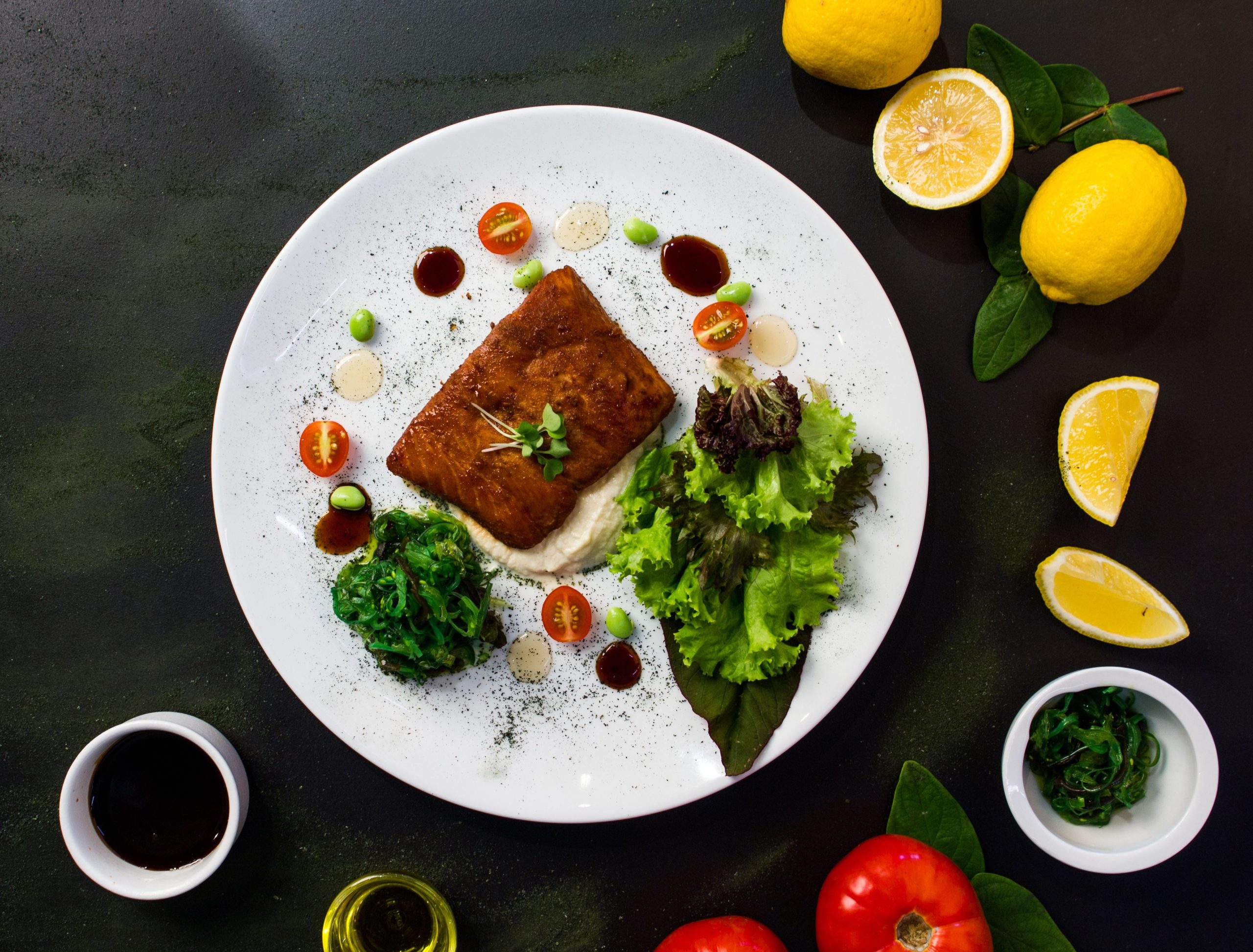
You've heard that carrots are good for your eyes — but the full picture of nutrition and vision is a lot more interesting (and more useful) than that old saying suggests.
Key Nutrients for Eye Health
- Lutein and zeaxanthin — antioxidants concentrated in the retina that help filter harmful light and are linked to a lower risk of macular degeneration. Found in leafy greens like spinach and kale, as well as eggs.
- Omega-3 fatty acids — support tear film quality and have been studied for their role in dry eye relief. Found in fatty fish like salmon, mackerel, and sardines, as well as flaxseed and walnuts.
- Vitamin C — an antioxidant found in citrus fruits, bell peppers, and strawberries, associated with a lower risk of cataracts.
- Vitamin E — found in nuts, seeds, and vegetable oils, works alongside vitamin C as an antioxidant that may help protect eye cells from damage.
- Zinc — helps transport vitamin A from the liver to the retina, supporting the production of melanin, a protective pigment in the eyes. Found in meat, shellfish, and legumes.
- Vitamin A — essential for the light-sensing cells in your retina; found in carrots, sweet potatoes, and other orange and leafy vegetables (so the old saying isn't entirely wrong).
The AREDS2 Formula
For patients with intermediate or advanced macular degeneration, a specific combination of nutrients — studied in the AREDS2 clinical trial — has been shown to help slow disease progression in certain patients. This isn't a general "eye vitamin" recommendation for everyone, and should be discussed with your doctor based on your specific diagnosis.
Building an Eye-Healthy Plate
You don't need to overhaul your diet — a few consistent choices go a long way:
- Leafy greens a few times a week
- Fatty fish once or twice a week
- A variety of colorful fruits and vegetables
- Nuts and seeds as a regular snack
What Nutrition Can't Do
Good nutrition supports eye health, but it doesn't replace regular eye exams or treatment for existing conditions. Think of it as one part of a broader approach, not a substitute for care.
The Bottom Line
Eating for your eyes doesn't require a special diet — mostly, it means eating the way you'd eat for overall health, with a little extra attention to leafy greens, fatty fish, and colorful produce.
Have questions about eye-healthy nutrition for your specific condition? Ask our team at your next visit.



0 Comments