

You've probably had a vision screening — at the DMV, a health fair, or a workplace wellness event. But a screening and a comprehensive eye exam aren't the same thing, and knowing the difference matters for your eye health.
What a Vision Screening Actually Checks
Screenings are brief, low-cost checks designed to flag obvious problems, not diagnose them. A typical screening might just measure how clearly you can read letters at a distance — that's it. It's often performed by someone without specialized eye care training, using basic equipment.
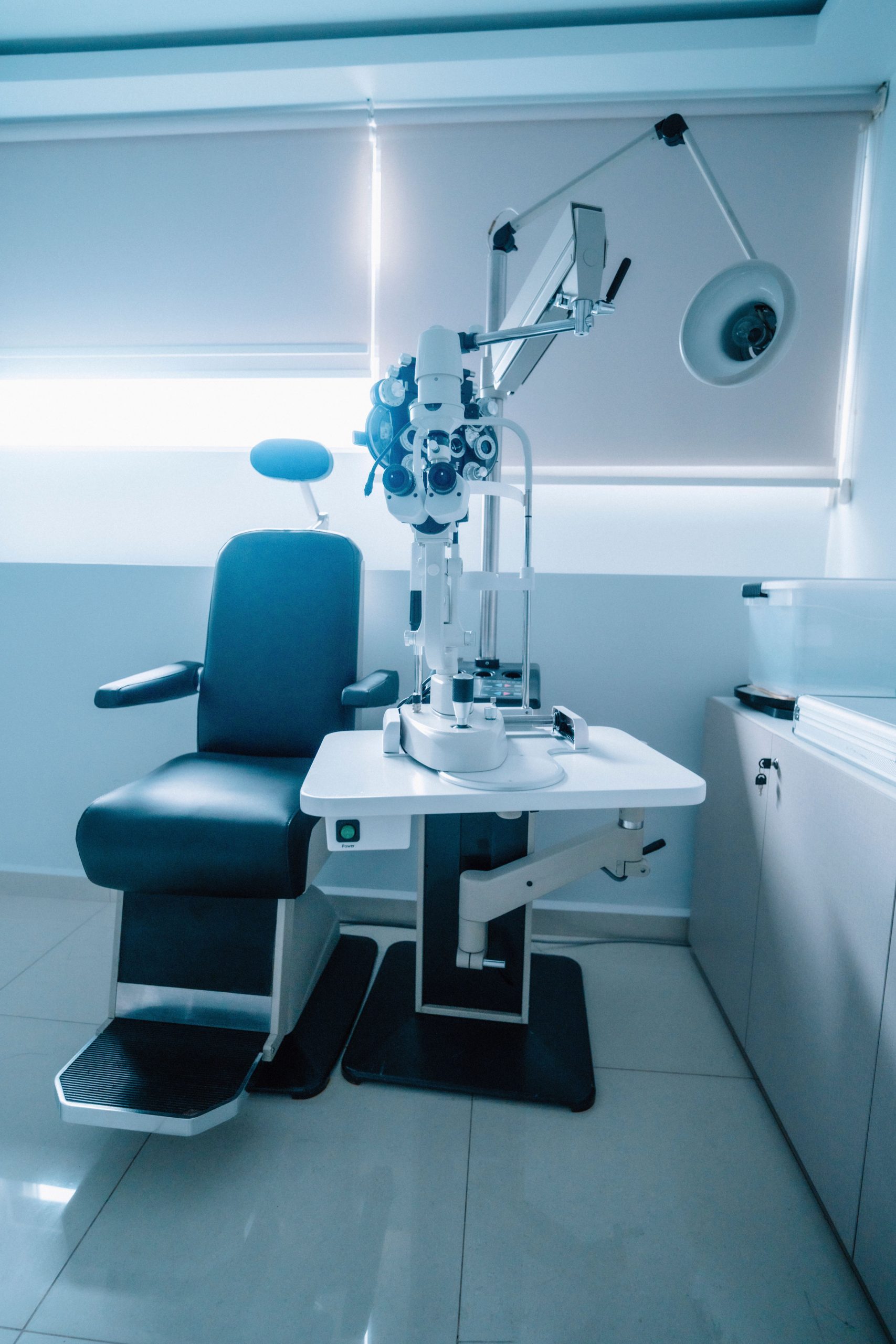
What a Comprehensive Eye Exam Includes
A comprehensive exam is a full evaluation of both your vision and your eye health, typically including:
- Visual acuity testing (like a screening, but more precise)
- A refraction to determine your exact prescription
- Eye pressure measurement (a glaucoma indicator)
- Examination of the front and back of the eye, often with dilation
- Assessment for cataracts, glaucoma, macular degeneration, diabetic changes, and other conditions
- A discussion of your health history and any risk factors
Why a Passing Screening Isn't Enough
A screening might tell you that you see 20/20 — and still miss:
- Glaucoma (which often has no early symptoms and doesn't affect visual acuity until advanced)
- Early cataracts
- Diabetic retinopathy or macular degeneration
- Astigmatism or focusing problems that don't show up on a basic distance chart
Many serious eye conditions cause zero noticeable symptoms in their early, most treatable stages — a screening simply isn't designed to catch them.
When Each One Is Appropriate
Screenings have a place — they're a fast way to flag people who clearly need follow-up care, useful for large-scale settings like schools or community health events. But they're not a substitute for routine comprehensive care, especially as you get older or if you have risk factors like diabetes, high blood pressure, or a family history of eye disease.
The Bottom Line
A vision screening tells you if you can see the letters. A comprehensive eye exam tells you if your eyes are actually healthy. Both have value — but only one should be your standard for ongoing eye care.
Due for a comprehensive eye exam? Schedule an appointment with our team.

0 Comments