

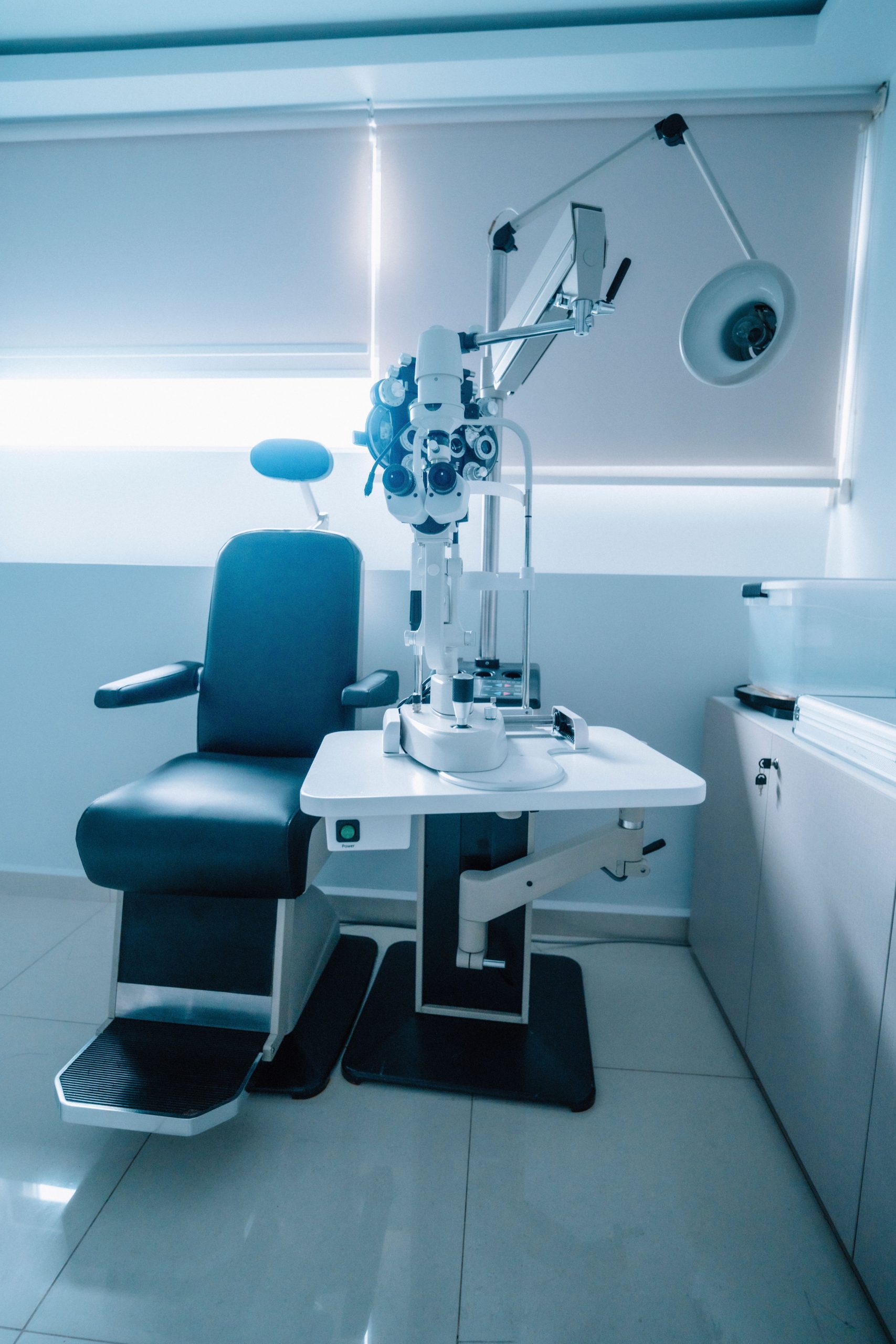
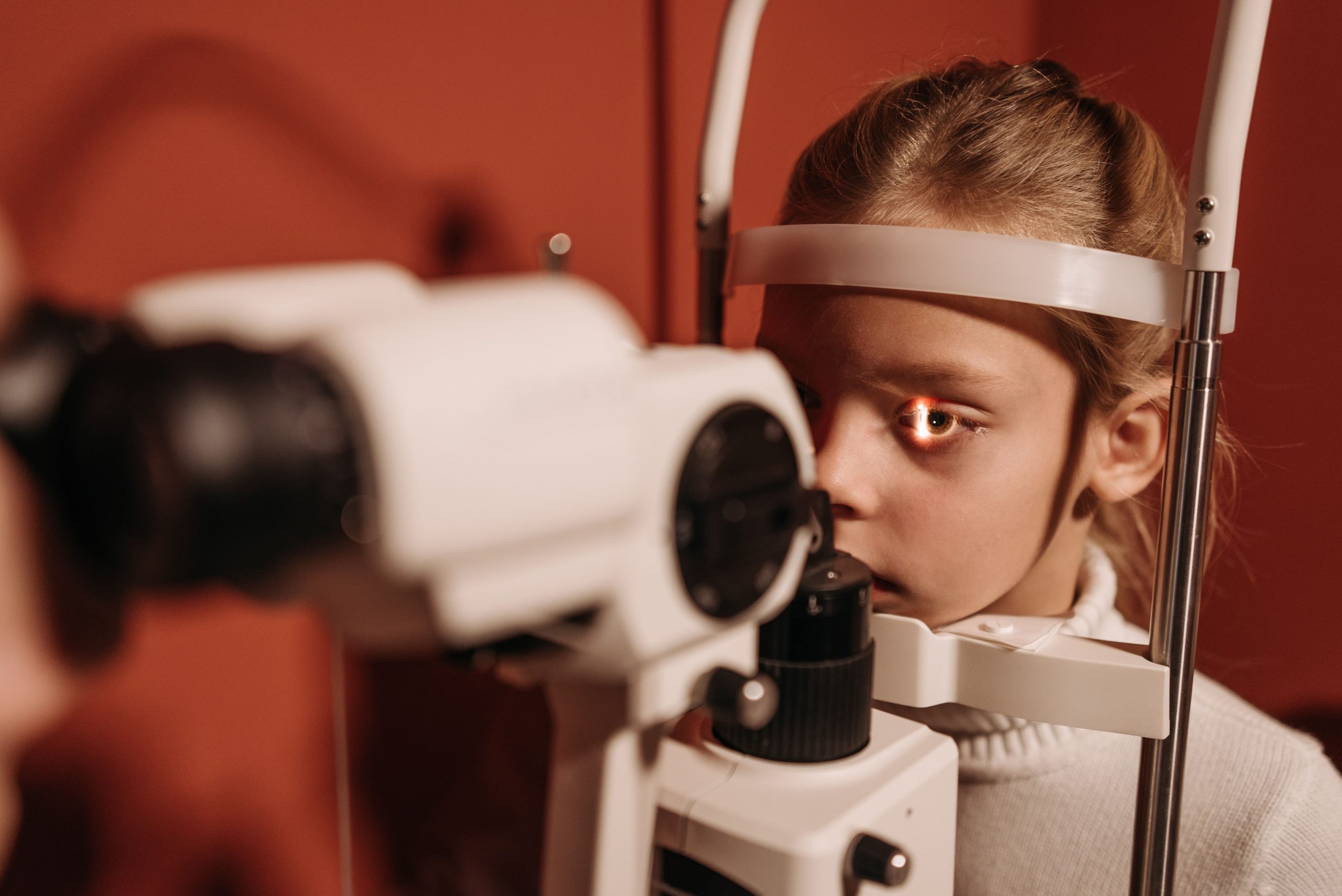
Dilating drops are, for a lot of patients, the least favorite part of an eye exam — blurry vision and light sensitivity for a few hours isn't exactly convenient. So why do doctors still recommend it, even with all the newer imaging technology available?
What Dilation Does
Dilating drops widen (dilate) your pupil, allowing much more light — and a much wider view — into the back of your eye. Without dilation, your doctor is working with a naturally small pupil that limits how much of your retina and other internal structures can actually be examined.
What Dilation Reveals
A dilated exam allows your doctor to examine:
- The entire retina, including the periphery, not just the central portion
- The optic nerve, checking for signs of glaucoma damage
- Blood vessels throughout the retina, relevant for diabetes and hypertension-related changes
- Signs of retinal tears, holes, or detachment, especially in the peripheral retina
- Early macular degeneration changes
Why Newer Technology Hasn't Replaced It
Tools like OCT and fundus photography are incredibly valuable, but they typically capture a defined area, often centered on the macula and optic nerve. Dilation allows a doctor to directly view the full periphery of the retina in real time — something even advanced imaging doesn't always fully replace, particularly for conditions that start at the retina's edges, like some retinal tears.
Who Needs Dilation Most
While comprehensive dilated exams are valuable for everyone periodically, they're especially important for:
- Patients with diabetes (recommended annually)
- Patients with a family history of glaucoma or retinal disease
- Anyone experiencing new floaters, flashes, or vision changes
- Patients over 60, or with other risk factors for eye disease
Making Dilation More Manageable
- Bring sunglasses for the drive home
- Arrange a ride if you're especially light-sensitive
- Plan your appointment for a day without pressing visual tasks immediately afterward
- Ask whether a same-day alternative (like certain wide-field imaging) might be appropriate for your specific visit, though this doesn't always fully substitute for dilation
The Bottom Line
Dilation is inconvenient, but it remains one of the most thorough ways to examine the full health of your eye — not just what a camera happens to capture in a single frame.
Due for a dilated eye exam? Schedule an appointment with our team.
0 Comments