


Age-related macular degeneration (AMD) is a leading cause of vision loss in adults over 50. It affects the macula — the part of the retina responsible for sharp, central vision — which means it can impact the ability to read, drive, and recognize faces, while usually sparing peripheral vision.
Two Types of AMD
Dry AMD is the most common form, accounting for the large majority of cases. It progresses slowly as the macula thins over time.
Wet AMD is less common but more aggressive. It occurs when abnormal blood vessels grow beneath the retina and leak fluid or blood, causing rapid vision changes if untreated.
Symptoms to Watch For
- Blurry or fuzzy central vision
- Straight lines appearing wavy or distorted
- A dark or empty area in the center of vision
- Difficulty recognizing faces
- Colors appearing less vibrant
An Amsler grid — a simple grid of straight lines — is a helpful at-home tool for noticing changes between exams, though it doesn't replace regular checkups.
Risk Factors
Age is the biggest risk factor, along with smoking, family history, high blood pressure, and diet. Smoking in particular significantly increases risk and is one of the few AMD risk factors that's directly within your control.
Treatment Options
- Dry AMD: Regular monitoring, and for certain intermediate stages, AREDS2 vitamin formulations shown to reduce the risk of progression in some patients.
- Wet AMD: Anti-VEGF injections are the standard treatment, helping to stop or slow abnormal vessel growth and preserve vision. Ongoing treatment and monitoring are typically required.
The Bottom Line
AMD can't currently be cured, but early detection and consistent monitoring make a real difference in preserving vision, especially with wet AMD, where prompt treatment matters. If you're over 50 or have a family history of AMD, regular eye exams should be part of your routine.
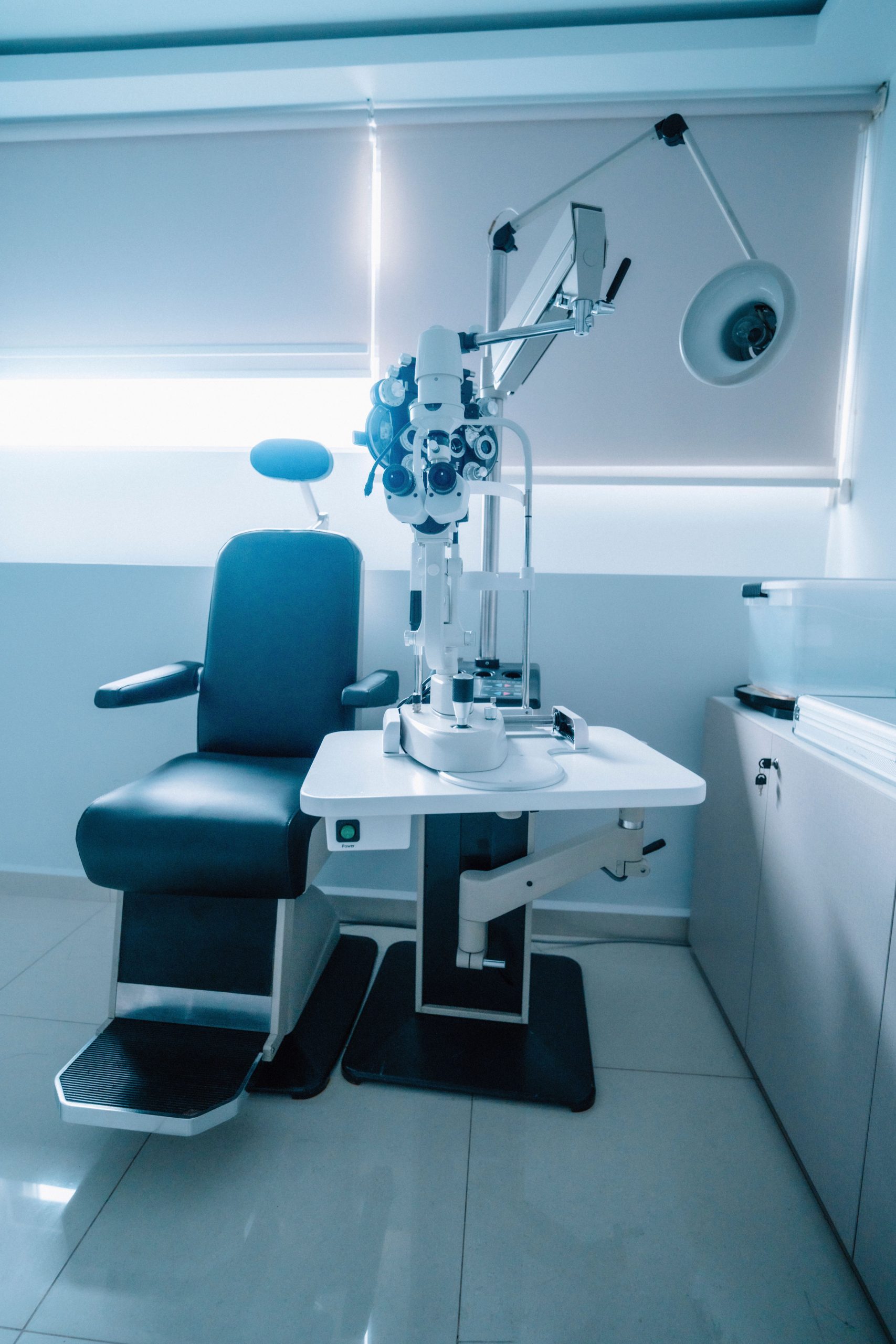
Schedule a comprehensive eye exam to check the health of your macula.

0 Comments