

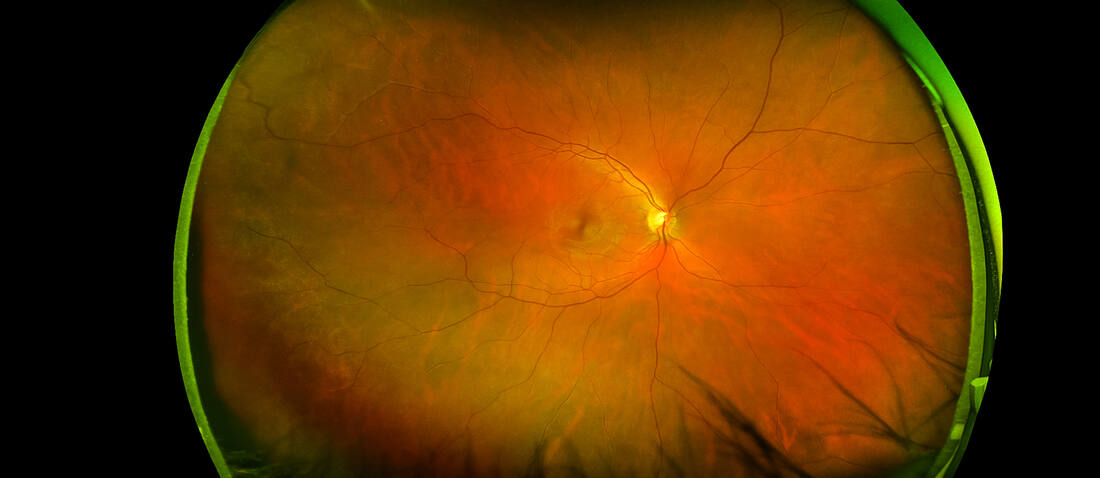
If you have diabetes, your eyes are on the front line — even if your vision feels perfectly normal. Diabetic retinopathy is a leading cause of vision loss in adults, and like many serious eye conditions, it often causes no symptoms until damage is already underway.
What Is Diabetic Retinopathy?
High blood sugar levels can damage the tiny blood vessels in the retina — the light-sensing tissue at the back of the eye. Over time, these vessels can leak fluid, swell, or grow abnormally, threatening central and peripheral vision.
The Stages
Diabetic retinopathy typically progresses through stages, from mild non-proliferative changes (small vessel damage) to proliferative retinopathy, where abnormal new blood vessels form and pose a higher risk of bleeding and retinal detachment. Diabetic macular edema, swelling in the central retina, can occur at any stage and is a common cause of vision loss.
Why Symptoms Come Late
Early diabetic retinopathy usually has no noticeable symptoms. By the time blurry vision, dark spots, or vision loss appear, the condition has often progressed significantly — which is exactly why proactive screening matters so much.
Recommended Screening
Anyone with type 1 or type 2 diabetes should have a comprehensive dilated eye exam at least once a year, even without vision changes. Your eye doctor may recommend more frequent monitoring depending on how long you've had diabetes and how well it's controlled.
Treatment Options
Depending on severity, treatment may include:
- Improved blood sugar, blood pressure, and cholesterol control
- Anti-VEGF injections to reduce swelling and abnormal vessel growth
- Laser photocoagulation to stabilize the retina
- Vitrectomy surgery for advanced cases with bleeding or scar tissue
The Bottom Line
Diabetic retinopathy is manageable, and vision loss is often preventable — but only with consistent monitoring. If you have diabetes and haven't had a dilated eye exam this year, it's time to schedule one.
Schedule your diabetic eye exam with our team today.


0 Comments