

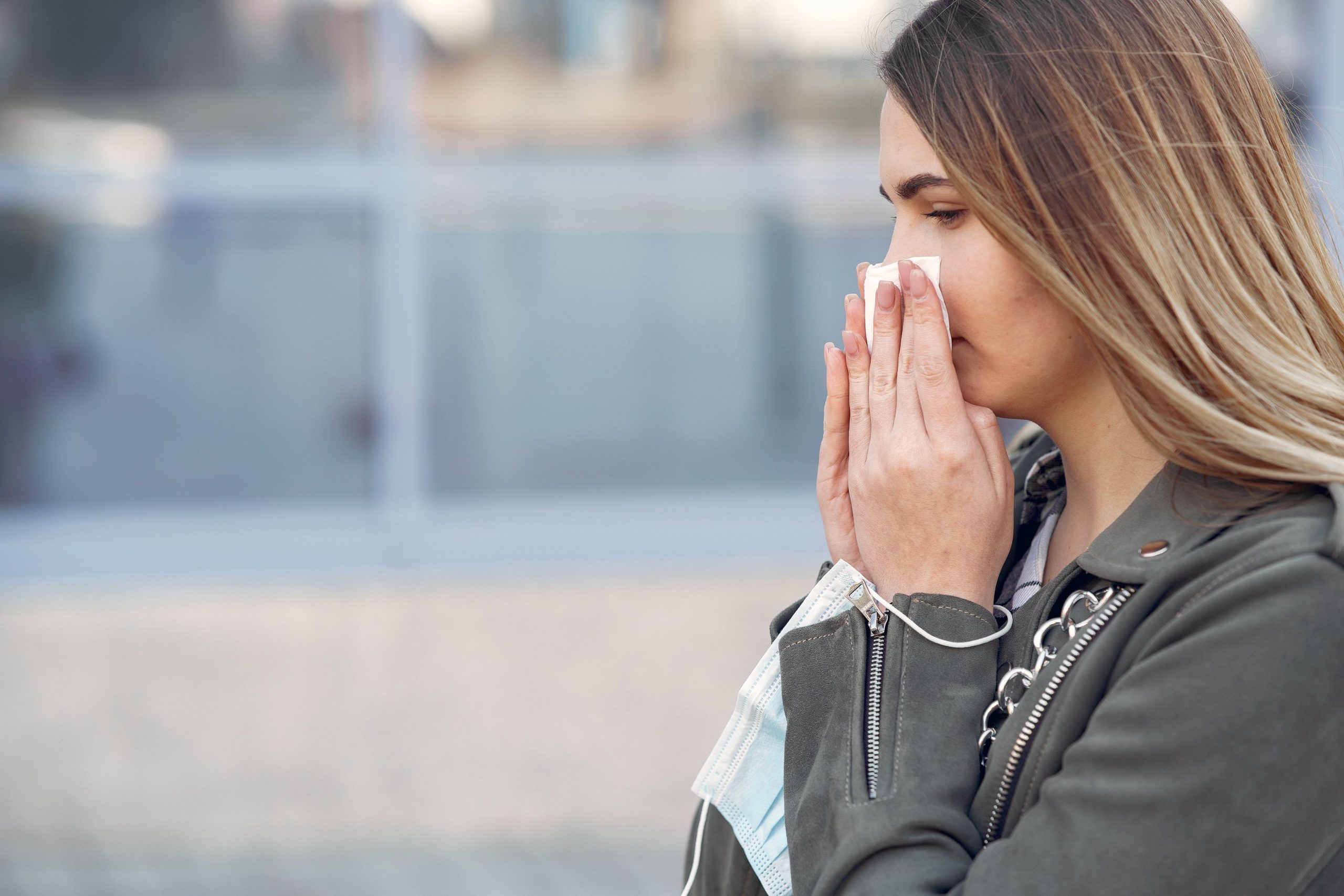
If your eyes get itchy, watery, and red like clockwork every year, you already know: Illinois allergy seasons don't go easy on your eyes. Here's what's happening and how to find relief.
Why the Fox Valley Is Rough on Allergy Sufferers
Between ragweed in late summer and early fall, mold spores, and grass and tree pollen earlier in the year, our region sees a long allergy season with more than one peak. Add in humidity swings typical of the Midwest, and it's a lot for sensitive eyes to handle.
What Eye Allergies Actually Feel Like
Ocular allergies (allergic conjunctivitis) typically cause:
- Itching (often the most telling symptom — allergies itch, infections usually don't)
- Redness
- Watery discharge
- Swollen eyelids
- A burning sensation
Allergies vs. Dry Eye vs. Infection
These three conditions can look a lot alike, which is part of why self-diagnosing can lead you to the wrong treatment:
- Allergies tend to be itchy and affect both eyes, often alongside sneezing or a runny nose
- Dry eye feels more gritty than itchy, and can occur regardless of season
- Infections (like pink eye) often involve thicker discharge and may start in one eye before spreading
Managing Eye Allergies
- Over-the-counter or prescription antihistamine eye drops
- Cold compresses to reduce swelling
- Avoiding rubbing your eyes (it makes symptoms worse)
- Rinsing your eyes with saline after high-pollen days
- Keeping windows closed and using air conditioning during peak pollen periods
- Switching to daily contact lenses during allergy season, since pollen can cling to reusable lenses
The Bottom Line
Seasonal allergies are a predictable nuisance for a lot of Fox Valley residents, but the right treatment depends on correctly identifying what's actually going on with your eyes. If over-the-counter drops aren't cutting it, we can help.
Struggling with itchy, watery eyes this season? Schedule an appointment with our team.



0 Comments